
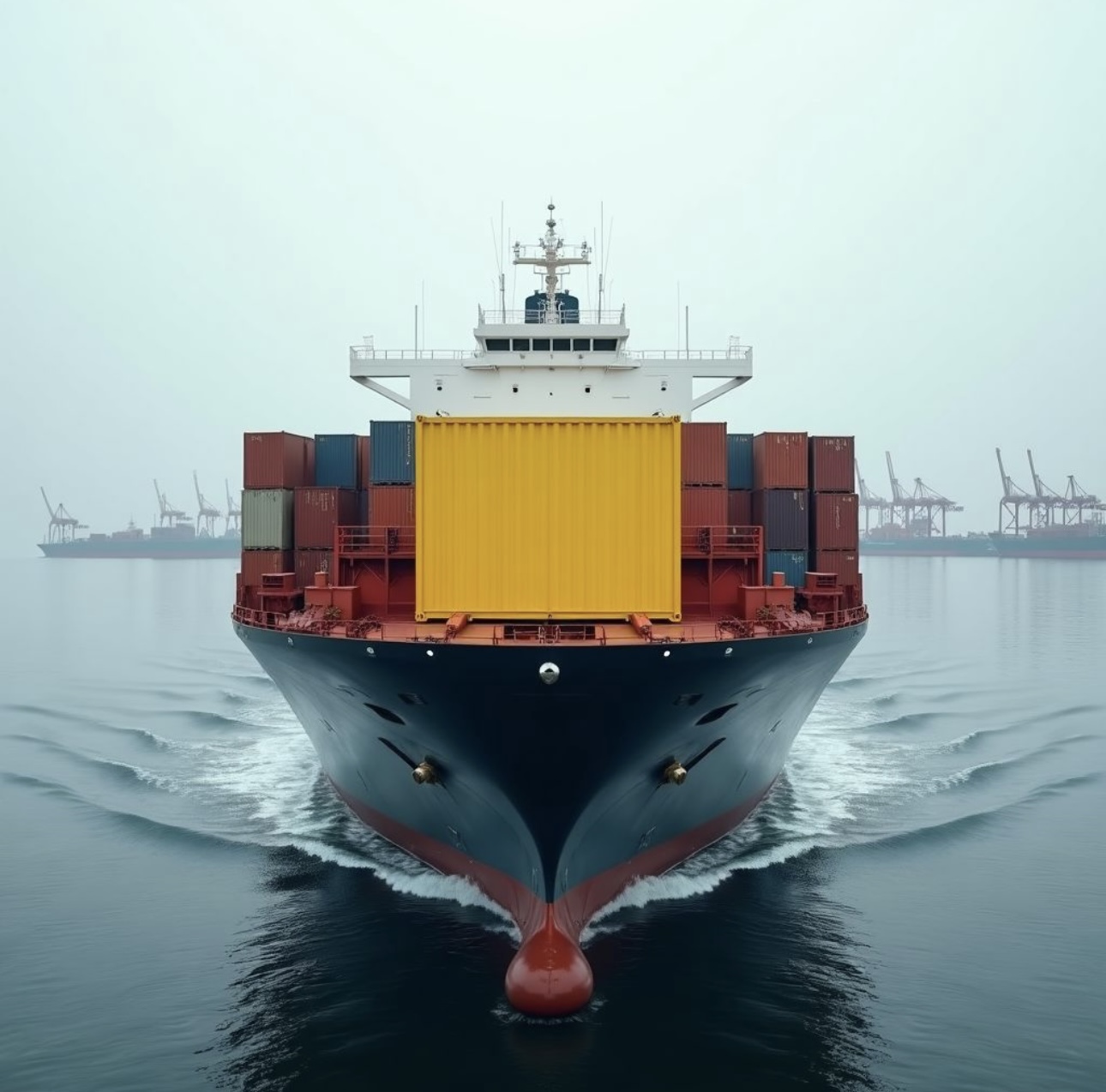
Climate compliance in Australia is entering a new era. AASB S2 is re-shaping what it means to produce a credible sustainability report—especially when it comes to Scope 3 freight and logistics emissions. Missed details here send shockwaves throughout financial statements, influencing everything from investor confidence to your company’s cost of capital. In this environment, climate compliance is not just about ticking a box—it’s about making sure one overlooked emissions entry doesn’t become next quarter’s headline.
The Changing Landscape: AASB S2 and Freight Emissions
Under AASB S2, Scope 3 freight emissions aren’t siloed in a separate ESG report anymore. Their accuracy now directly shapes climate risk assessments that end up in your formal financial disclosures. Missteps here can trigger costly restatements, drawing attention from auditors, regulators, and shareholders—none of whom appreciate surprises in your carbon disclosure report.
Data accuracy has become fundamental. Relying on spend-based emissions estimates—multiplying freight spend by a generic factor—leaves you exposed. These numbers rarely stand up to scrutiny, especially when external auditors demand a link from actual shipment activity data through to the final Scope 3 figure.
Auditability Is Now Critical
Australian climate disclosure requirements assume that your numbers can be traced, tested, and defended. The auditing process for climate related financial disclosures will expect the same quality as any other financial metric. If your scope 3 emissions reporting australia is built on estimates that can’t be verified, you inherit risk. Not the theoretical kind—the sort that forces public restatements and erodes trust with analysts and investors.
The solution is activity-based data drawn directly from freight partners. Key shipment details—weight, distance, transport mode—not only underpin a robust climate risk assessment report, but also ensure your climate compliance software stands up to review from finance and sustainability teams alike.
The “Safe Harbour” Misconception
The Treasury Laws Amendment Bill 2024 offers a three-year “safe harbour” period for forward-looking climate statements, including Scope 3. But protection from lawsuits does not equal immunity from regulator action. ASIC can still require a reasonable basis for your data. A weak approach—like manual spreadsheet consolidation or lack of a standardised process—is a compliance risk from day one, regardless of temporary legal shields.
How Freight Data Drives Financial Certainty
Lenders are adjusting their models. Institutional investors and major banks want proof of operational control before assigning capital—rising up in ESG-focused due diligence. Poor scope 3 emissions reporting, or obvious gaps in your climate related financial disclosures, can be seen as a sign of broader operational dysfunction. The outcome? Increased borrowing costs. Even exclusion from climate-aware investment platforms. This isn’t a future threat—it’s rapidly becoming the current standard.
Establishing structured, automated climate reporting australia processes removes these unknowns. It also reduces hidden costs from manual data wrangling—staff time, consultant fees, and costly reconciliation errors. In the same way you wouldn’t hand-audit a major ledger account at scale, you cannot manage freight emissions from email chains and disparate spreadsheets without hidden risks compounding over time.
Automation and Standardisation: The Path Forward
Comprehensive climate compliance software streamlines and automates the capture of relevant freight data directly from logistics partners. Integrating via APIs or secure file transfers eliminates manual reconciliation, ensuring each data point is verifiable and ready for audit. This gives you a reliability that spreadsheet-driven processes can never offer.
The rewards are immediate:
- A defensible audit trail from primary shipment data to your final sustainability reporting Australia submission
- Cost-certainty and transparency in compliance processes
- Elimination of bottlenecks at reporting deadlines—finance, operations, and sustainability teams all having on-demand access to “single source of truth” ESG data
From Compliance Burden to Strategic Advantage
For finance, the best-case scenario is confidence—knowing that every figure in the carbon disclosure report stands up to audit and investor scrutiny. With the right carbon accounting software, granular logistics data flows into your mandatory climate related financial disclosures in the same robust way as your core numbers.
For operations, a streamlined integration takes freight data gathering off your team’s plate, turning a potential reporting bottleneck into a scalable, automated workflow. This makes sustainability compliance part of BAU, rather than a quarterly fire-drill.
For sustainability teams, access to shipment-level data means disclosure is just the beginning. Now you can identify and act on the highest-impact decarbonisation opportunities—whether that’s optimising routes or collaborating with partners to shift to lower-emission carriers. Over time, this transforms ESG reporting from an obligation into a source of competitive advantage and board-level trust.
A Single Source of Truth: Why Centralisation Matters
Fragmented data leads to delayed reports, unnecessary regulatory scrutiny, and inevitable reconciliation headaches. By consolidating all freight data on a centralised platform, the old anxiety—the one that strikes near deadline time—disappears. Finance, operations, and sustainability teams now work from an agreed, reliable dataset. This underpins your response to board and investor questions, and ensures consistency with AASB2 and other required sustainability frameworks.
Unlocking Broader Value: Beyond Avoiding Risk
Robust climate reporting and accurate carbon accounting services secure more than regulatory peace of mind or audit-readiness. They increasingly drive access to capital, attract ESG-minded customers, and build resilience in a regulatory environment that is only moving in one direction—towards transparency and accountability.
The steps you take today lay the foundation not just for compliance, but for operational improvement and strategic positioning tomorrow.
What systems or processes have you found most effective in turning Scope 3 logistics emissions data into audit-ready reporting?