
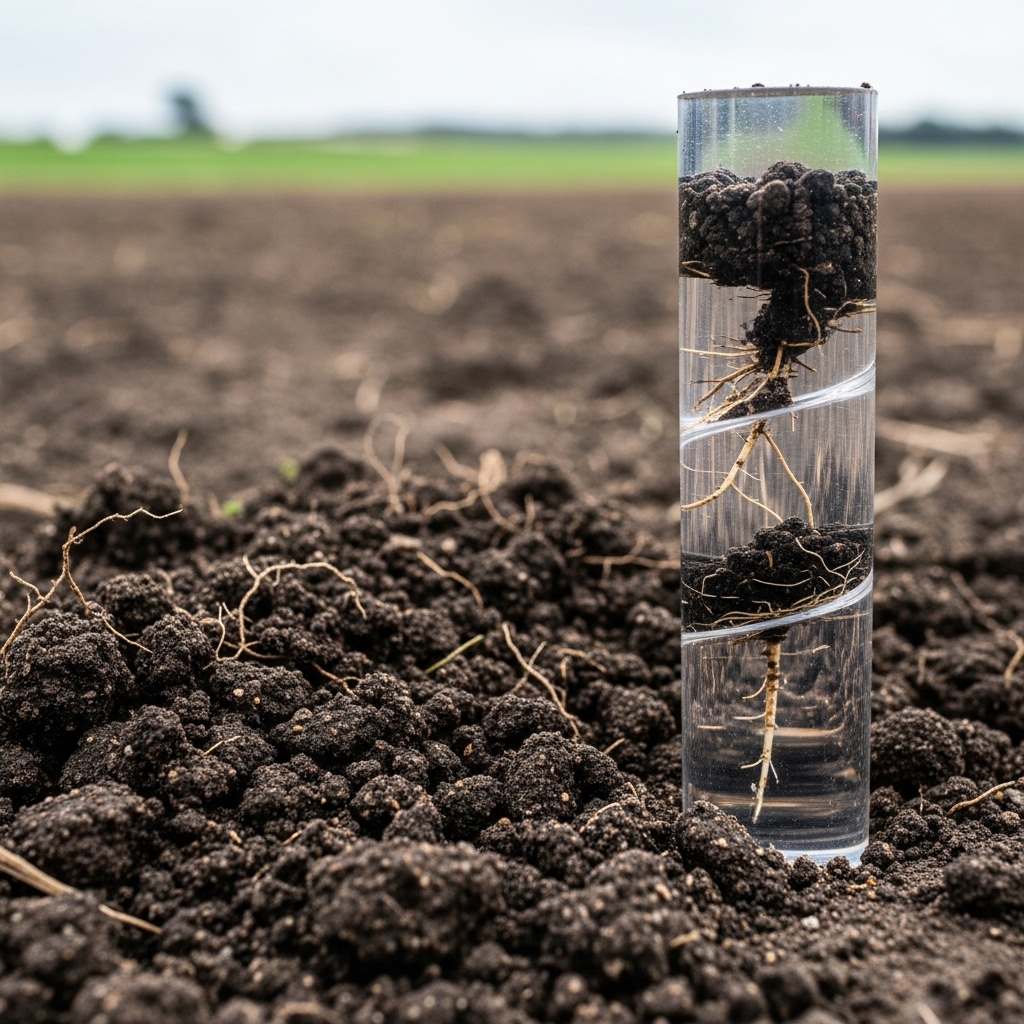
Cultivating a Thriving Future: The Business Benefits of Regenerative Agriculture
In a world where businesses are increasingly looking at their impact on the environment, agricultural supply chains often take centre stage. While traditional farming has served us well, new approaches are emerging that offer powerful advantages for both nature and business operations.
Regenerative agriculture is one such approach. It involves farming practices that actively work to improve soil health, enhance biodiversity, and build resilience into agricultural systems. This isn’t merely about minimising harm; it’s about creating positive impacts that can extend throughout your entire organisation, contributing to more sustainable farming practices and better productivity.
This post explores how adopting regenerative practices in your supply chain can strengthen your operations, open new avenues for value, and provide a clear, practical path for enhancing your sustainability efforts and overall business performance.
Building a Resilient Foundation for Your Supply Chain
A stable and reliable supply chain is essential for any successful business. Regenerative agriculture offers a robust way to bolster this stability, particularly as environmental conditions evolve.
Enhancing Water Security and Stability
Healthy soil acts like a natural sponge, capable of absorbing and retaining more water. Farms that implement regenerative practices, such as reduced tillage and cover cropping, significantly improve their soil’s ability to hold water. This means agricultural inputs sourced from these farms are inherently more resilient to both dry periods and heavy rainfall events.
For your operations, this translates directly to greater supply certainty. Fewer disruptions due to environmental variability mean more predictable input costs and a smoother flow of raw materials. This proactive approach to managing physical environmental risks can become a defensible strategy for your business, offering a clear advantage in operational stability and supporting your sustainability framework.
Strengthening Supplier Partnerships
Supporting your agricultural suppliers in their transition to regenerative practices can transform relationships. It moves beyond simple transactions to a partnership built on shared goals and mutual support. Providing resources or technical assistance to suppliers can foster deeper collaboration, helping them build more resilient and productive farms.
This shared commitment can secure long-term supply from some of the most innovative and forward-thinking producers. Such partnerships are a valuable asset, contributing to a more robust and adaptable supply chain overall and enhancing your overall sustainability reporting Australia efforts.
Driving Efficiency and New Opportunities
Beyond resilience, regenerative agriculture introduces practical benefits that can positively influence your business’s financial health and operational efficiency, promoting better productivity across the board.
Turning Environmental Stewardship into Value
Regenerative agriculture practices, especially those focused on enhancing soil carbon, create the potential for new value streams. For instance, increased soil carbon sequestration can generate Australian Carbon Credit Units (ACCUs), offering a tangible return on environmental investment.
This means your sustainability initiatives can evolve from a necessary investment into a potential revenue stream. Establishing robust measurement, reporting, and verification (MRV) systems now positions your organisation to capitalise on these emerging opportunities, giving you an edge in the evolving carbon market and in your overall carbon accounting efforts.
Streamlining Operations and Reducing Costs
Evidence suggests that a transition to regenerative farming can lead to a reduced reliance on expensive synthetic fertilisers and pesticides. Over a few years, farms can see reductions of 25-50% in the need for these inputs.
For businesses with significant agricultural inputs, this directly translates to a lower cost of goods sold and improved gross margins. The return on investment extends beyond mere good practice, offering tangible financial benefits and making your operations more cost-effective and efficient.
Advancing Your Organisation’s Sustainability Journey
Embracing regenerative agriculture provides a powerful way to advance your organisation’s broader sustainability goals, offering a compelling narrative and concrete actions.
Creating a Stronger Sustainability Narrative
Regenerative agriculture offers a powerful story that goes beyond simply reducing emissions. It actively contributes to removing carbon from the atmosphere and restoring natural ecosystems. This approach strengthens your overall sustainability story, positioning your company as a leader in climate solutions and sustainable farming practices.
A well-implemented regenerative agriculture program becomes a concrete, science-based initiative that you can report as a key element of your strategy to manage environmental risks and seize opportunities. It provides clear, measurable outcomes that contribute to a positive carbon disclosure report.
Practical Approaches to Managing Supply Chain Emissions
For many businesses, a significant portion of their carbon footprint lies within their supply chain – often referred to as scope 3 emissions. Regenerative agriculture offers a direct and impactful way to address these.
By investing in practices that reduce emissions and sequester carbon at the farm level, you are directly influencing your value chain emissions. Tracking these improvements through robust data collection provides clear evidence for your scope 3 emissions reporting Australia, demonstrating a tangible commitment to decarbonisation and sustainable sourcing.
The Role of Data in Tracking Progress
To effectively leverage regenerative agriculture for both business and sustainability, robust data and verification are essential.
Integrating Data for Clear Insights
The operational challenge of data collection can be simplified with modern solutions. Combining satellite imagery, farm management software APIs, and targeted soil sampling allows for comprehensive data gathering. This information can be integrated into your existing ERP or supply chain management systems.
Automating the flow of information for reporting and verification reduces the operational burden of manual data consolidation, making the process efficient and reliable for accurate carbon accounting and a strong sustainability framework.
Building a Credible Foundation for Your Claims
Credibility in environmental claims hinges on robust Measurement, Reporting, and Verification (MRV). Partnering with organisations that utilise scientifically validated soil carbon modelling and globally recognised standards helps ensure your public claims about carbon removal are accurate and verifiable.
This rigorous approach ensures that your regenerative agriculture initiatives will withstand scrutiny from stakeholders, providing confidence in your sustainability reporting Australia and demonstrating a genuine commitment to environmental stewardship.
Conclusion
Regenerative agriculture offers a compelling blend of environmental stewardship and practical business benefits. It’s a strategic approach that can build stronger, more resilient supply chains, unlock new financial opportunities, and provide a clear, credible pathway for advancing your organisation’s sustainability goals.
By focusing on soil health and carbon sequestration, businesses can enhance their operational stability, improve financial outcomes, and demonstrate leadership in a critical area of modern business. It’s about cultivating a future where business success and environmental well-being go hand-in-hand.
What aspects of regenerative agriculture do you find most compelling for your business operations?