

The Bass Strait Maritime Centre has engaged Carbonhalo to enhance their journey towards sustainability. Here’s how it’s changed their business for the better.
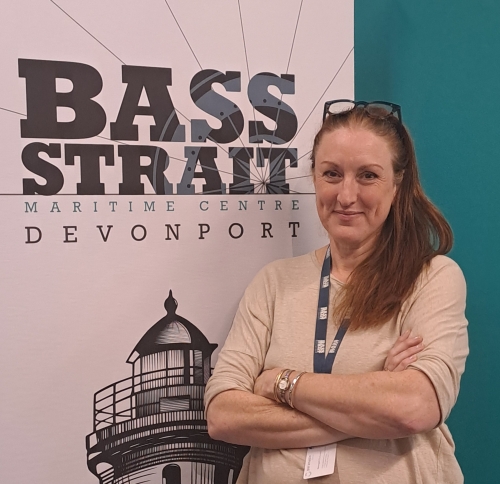
The Bass Strait Maritime Centre, under the dedicated guidance of Coordinator Joanna Gair, embarked on a transformative journey towards sustainability with the help of the ERC Protocol platform. Recognised for its commitment to preserving maritime history, the centre sought to extend its dedication to environmental responsibility.
The Challenge
Before adopting the ERC Protocol, the Maritime Centre faced challenges in maintaining and demonstrating a clear commitment to reducing its carbon footprint. With a lack of technical reporting experience, a small staff cohort and a busy operational schedule, the Centre needed a solution that was both manageable and effective.
Solution with ERC Protocol
The introduction of the ERC Protocol offered a structured and user-friendly approach to carbon reduction. Joanna found the platform “very intuitive” and particularly appreciated the segmentation into five manageable stages, allowing her to integrate sustainability practices into her workflow without feeling overwhelmed.
The ERC Protocol’s resources, including concise lead-in videos and practical suggestions, empowered the Centre to implement customised actions relevant to its unique business environment. Joanna highlighted the significance of these resources: “The easy access options to add your own actions, combined with practical suggestions, provided us with insights we might not otherwise have considered.“
Impact and Benefits
The adoption of the ERC Protocol has had a meaningful impact on the Bass Strait Maritime Centre:
- Enhanced Accountability: The provision of a QR code in various formats has been a game-changer for the Centre. Displayed prominently at the front of the house, on their website, and in emails, the QR code serves as a constant reminder of their commitment to emission reduction.
- Personalised Support: The one-on-one support provided by the ERC Protocol was particularly beneficial. Joanna noted, “Offering the 1:1 support helped me through a couple of issues, and I appreciated the time that the consultant took to help me.”
- Cultural Shift: The Centre has noticed a shift in its company culture, with a stronger focus on environmental responsibility. Joanna remarked, “This practical process helps us to keep our environmental responsibility front of mind.”
“Appreciating the growing demand for sustainable cultural tourism, the ERC Protocol enables us to demonstrate our ethics to potential visitors. This helps us to stand-out from the crowd, which can only be a good thing in this competitive marketplace.”
The Bass Strait Maritime Centre’s journey with the ERC Protocol illustrates how structured support and practical tools can empower organisations, regardless of their prior technical knowledge, to take meaningful steps towards sustainability. The Centre’s successful integration of the ERC Protocol into its operations has not only enhanced its environmental impact but also set a precedent for other businesses.
Joanna Gair’s experience serves as a testament to the efficacy and accessibility of the ERC Protocol, making it a valuable asset for any organization looking to embark on a similar journey towards sustainability.
Check out the Bass Strait Maritime Centre Emissions Reduction Action Plan here.
Bass Strait Maritime Centre is part of the Tourism Emissions Reduction Commitment Program run by the Quality Tourism Australia Framework. If you are an Australian tourism business, check out the Quality Tourism Australia website for more information or reach out to your State Tourism Council to be part of this program.
For more information on how the ERC Protocol can revolutionise your industry’s approach to decarbonisation, visit www.carbonhalo.com or reach out to the Carbonhalo team at [email protected].