
Great Southern Outback Tours & Accommodation, based in Albany, Western Australia, offers unique eco-tours and have made significant strides in measuring and reducing their carbon footprint, boosting biodiversity, and water conservation efforts. Learn about their journey and commitment to becoming a cleaner, greener, and more efficient business.
Great Southern Outback Tours & Accommodation, established in May 2019 and located in the stunning Kalgan River valley near Albany, Western Australia, offers a suite of unique eco-tour adventures. Their offerings range from guided walks and farm stay and camping experiences to larger scenic tours across the diverse landscapes of WA’s southern coast.
Challenges
Despite its sustainability commitment since its inception, quantifying the environmental impact has been a significant challenge. The owner, Wayne Monks reflects, “We had not measured our carbon footprint and the volume of emissions emitted from the business,” highlighting a gap in their sustainability initiatives.
Adopting the Tourism Emission Reduction Program
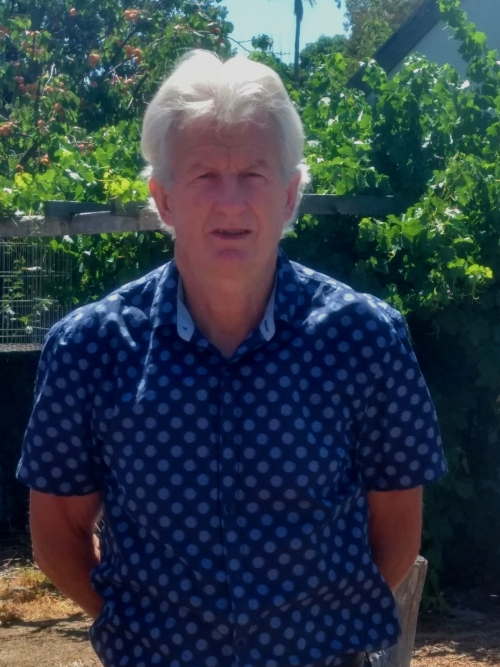
The business was introduced to the Program by the WA Tourism Council, aligning perfectly with their values. The owner found the entire five-stage accreditation program impactful: “Each stage was interesting and had its challenges, developing the Action Plans was rewarding and fulfilling along with assessing the emissions.”
The integration process, although straightforward, required careful attention to data accuracy. The owner mentions, “Firstly it takes a while to determine how easily it is to extract the data required to input to the online system, so several mistakes can easily be initiated.” However, detailed financial and operational records facilitated the accurate capture and analysis of relevant data.
Outcomes and Benefits
Since implementing the Tourism Emissions Reduction Program, the owner has noted several benefits: “It made me calculate my carbon sequestration and my own personal emissions to gauge the net positive/negative emissions.” Additionally, they have intensified efforts to enhance the property’s biodiversity and water conservation practices.
The business anticipates these sustainability measures will bolster its reputation and appeal in the market. The owner is optimistic about the future influence of their actions: “The marketing EDM and Website notes the TERC Action Plans… so the target market will be aware of this strategic decision and action.”
Future Direction and Recommendations
The business plans to continue its sustainability journey with the Program, focusing on annual emissions reviews and further integrating sustainable practices. The owner strongly recommends the Tourism Emissions Reduction Program to others:
“Yes for all the above reasons, being cleaner, greener, and cheaper to operate from a carbon footprint viewpoint and providing distinctive social, community, mental and environmental impacts.”
Great Southern Outback Tours & Accommodation exemplifies how adopting a structured environmental management system like the Tourism Emissions Reduction Program can help small businesses operationalise their sustainability goals. Their journey from informal practices to strategic, measurable actions sets a benchmark for responsible tourism in Western Australia.
Check out the Great Southern Outback Tours & Accommodation Tourism Emissions Reduction Plan here.